Summary
The fusion of sports and fashion has undergone a transformative evolution, particularly highlighted during the “Summer of Sport,” a period marked by major global events such as the FIFA World Cup, Wimbledon, and the Summer Olympics. This convergence has expanded beyond athletic performance, turning game day attire into a dynamic cultural phenomenon that blends style, identity, and community expression. Increasingly, sports apparel functions not only as functional gear but also as a form of lifestyle fashion embraced by fans and athletes alike, influencing mainstream trends and luxury collaborations worldwide.
Notable shifts include the rise of athleisure and the integration of high-profile designer partnerships that elevate traditional sportswear into coveted fashion statements. Soccer and basketball, in particular, have driven this trend, with jerseys and other sports apparel becoming staples of streetwear culture and high fashion, often propelled by celebrity endorsements and social media influence. The growing prominence of women athletes as fashion icons has further diversified this landscape, inspiring new style narratives around empowerment and identity.
The economic impact of this intersection is significant, with sports sponsorship and branded merchandise generating substantial revenue and expanding market reach. Luxury brands such as Dior and LVMH have deepened their involvement through athlete collaborations and event sponsorships, while emerging designers and sustainable initiatives reflect the sector’s increasing complexity and cultural resonance. Meanwhile, social media platforms have democratized trendsetting, enabling fans worldwide to participate actively in shaping game day fashion.
However, this fusion is not without controversy. Critics highlight concerns over commercialization overshadowing athletic authenticity, environmental sustainability challenges linked to fast-fashion cycles, and issues of cultural representation and inclusivity within fashion collaborations. Despite these debates, the ongoing innovation and cultural significance of sports-inspired fashion underscore its role as a powerful medium for identity, community, and cultural dialogue in the contemporary era.
Historical Context
The fusion of sport and fashion has evolved significantly over the decades, reflecting broader cultural shifts and the increasing visibility of athletes as style icons. A notable milestone occurred during the 1964 Tokyo Olympics, where Japanese athletes showcased shorter, modernized versions of the traditional kimono. This bold blend of heritage and contemporary design sparked a global trend in athletic wear that went beyond mere functionality, highlighting a growing appreciation for cultural expression in sports uniforms.
Throughout the 1980s and 1990s, the Olympics became an influential platform for fashion innovation and brand storytelling. Sportswear companies began to collaborate with high-profile designers, introducing performance-enhancing materials alongside sophisticated designs. This period marked the beginning of sports apparel as a vehicle for marketing, with Olympic uniforms serving not only as athletic gear but also as statements of identity and style.
Soccer, in particular, has played a pivotal role in merging athletic wear with mainstream fashion. The 1994 FIFA World Cup held in the United States was a turning point that brought soccer culture—and its associated fashion—into the American consciousness. Before this event, soccer-related apparel was largely confined to posters, magazines, and video games. The tournament catalyzed the merging of sport and fashion passions, leading to the rise of streetwear influenced by soccer kits and styles. This influence continued into the 2010s and beyond, with iconic jerseys like Nike’s 2018 World Cup kit reviving 1994 designs and becoming streetwear staples embraced by celebrities and urban fashion brands alike.
Meanwhile, basketball attire has also transcended the court to become a staple of everyday fashion. NBA jerseys and shorts have been integrated into streetwear culture, embraced as key elements of personal style in cities worldwide. Celebrities such as Billie Eilish have popularized basketball shorts as part of their tour wardrobes, underscoring the garment’s crossover appeal from sport to high-profile fashion contexts.
Over time, sports apparel has evolved from purely functional equipment to powerful symbols of identity, creativity, and social status. Fans and athletes alike use jerseys, cleats, and other gear to express dedication and insider knowledge within their communities, transforming these items into coveted fashion statements worn confidently both on and off the field. This shift reflects a broader cultural recognition of sportswear as an integral component of contemporary fashion and cultural expression.
The Summer of Sport Phenomenon
The summer sports season has evolved beyond just athletic competition to become a multifaceted cultural and fashion phenomenon. Major events such as Wimbledon, the FIFA World Cup, and the Summer Olympics now serve as catalysts for lifestyle trends that permeate fashion, beauty, and wellness sectors, transforming game day into a comprehensive aesthetic experience.
This shift is exemplified by the unprecedented engagement seen at Wimbledon, which became ESPN+’s most-streamed tennis tournament on record, with viewership increasing by 163% year-on-year. Alongside this rise, new and disruptive sportswear and fashion brands such as On, Vuori, and Khaite have gained prominence, challenging traditional powerhouses like Nike, Adidas, and Lacoste in the realm of tennis sponsorships. The focus on athlete style extends beyond the court, as fans and consumers increasingly seek to emulate the off-duty looks and beauty routines of their favorite sports stars, particularly women athletes who are emerging as significant influencers in this space.
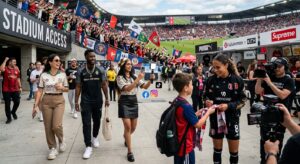
Sports culture’s influence on fashion is not confined to tennis. The FIFA World Cup, which returned to North America in 2026, brought a resurgence of enthusiasm for soccer-inspired style. Fans from across the globe showcased diverse and vibrant team identities, merging national pride with fashion-forward expressions such as the American cowboy aesthetic and colorful team-inspired outfits. This intersection of sport and style has kept soccer fashion relevant among youth and fashionistas alike, highlighting the sport’s lasting cultural impact despite its relatively gradual penetration into mainstream American sports.
Furthermore, sports events have increasingly become platforms for high-profile collaborations with luxury and niche fashion brands. As the 2026 FIFA World Cup approached, designers and sportswear giants competed to outfit teams and fans off the pitch, marking a significant elevation of sport-related fashion on the global stage. This phenomenon is supported by a broader trend of fans expressing their allegiance and identity through fashion, with merchandise and apparel becoming key elements of fandom culture and a growing market segment.
Impact on Game Day Fashion Trends
The Summer of Sport has significantly transformed game day fashion, blending athletic performance with style and cultural expression. This shift has been driven largely by collaborations between sportswear brands and luxury designers, which have elevated traditional sports apparel into versatile, fashion-forward athleisure that resonates beyond the stadiums. The increasing presence of high-profile sponsors, such as LVMH’s major involvement in the Paris Olympics, further underscores fashion’s central role in these sporting events.
Game day outfits now combine comfort and sporty-chic elements, offering fans and attendees a way to showcase team spirit while maintaining a trendy, effortless look. Key pieces include sleek mini hoops, corset crop tops, and statement block heels, all designed to merge style with functionality whether tailgating or cheering from the stands. This fashionable reinterpretation of sportswear encourages individuals to incorporate athletic staples like sweatpants, track shorts, and rugby shirts into everyday wardrobes, styled with an urban, runway-inspired flair.
Soccer, in particular, has become a major influence on game day fashion trends. The crossover of soccer jerseys into mainstream streetwear and luxury culture exemplifies this evolution, with vintage and designer collaborations—such as Paris Saint-Germain’s partnership with Jordan Brand—creating highly coveted apparel that appeals to both sports enthusiasts and fashion consumers alike. The rising cultural prominence of women’s soccer has also played a crucial role, merging identity, fandom, and fashion in unprecedented ways.
Beyond apparel, sports icons have become powerful style influencers who use their platforms to advocate for social issues, further integrating fashion into the cultural fabric of sports fandom. Athletes like Megan Rapinoe and LeBron James leverage their fashion choices to highlight activism, while iconic sneakers like Converse Chuck Taylors have transcended performance origins to become staples of everyday style. This trend highlights how game day fashion is not only about aesthetics but also about signaling identity, authenticity, and community belonging within fan cultures.
Role of Designers and Fashion Brands
The intersection of sports and fashion has increasingly become a dynamic arena where designers and fashion brands play a pivotal role in shaping game day aesthetics both on and off the field. As major sporting events like the FIFA World Cup 2026 and the Summer Olympics approach, luxury labels and niche designers are intensifying efforts to dress not only athletes but also fans, blending elements of luxury, streetwear, and sport to secure cultural relevance.
This evolving relationship is evident in collaborations that bridge high fashion with athletic performance, reflecting broader societal trends influenced by entertainment, politics, and technology. The 1980s and 1990s marked a significant shift when brands began to recognize the marketing potential of sporting events, leading to partnerships between sportswear companies and prominent designers and the introduction of performance-enhancing materials in athletic apparel. These collaborations have since become a platform for iconic fashion moments, amplifying brand visibility and cultural impact.
Contemporary strategies see luxury and sportswear brands aligning more closely with their target demographics through innovative partnerships and product lines. For example, Giorgio Armani’s involvement as the title sponsor of the Giorgio Armani Tennis Classic in 2022 included launching tennis-themed capsule collections available at prestigious venues like Harrods and The Hurlingham Club. Similarly, The North Face’s South Korean division has sustained a multi-Games partnership with Team Korea, emphasizing sustainable, high-tech performance gear made from recycled materials for the Beijing 2022 Winter Olympics.
Luxury brands have also embraced athlete endorsements and event sponsorships as promotional tools. Dior’s collaboration with tennis player Emma Raducanu for the Lady 95.22 bag campaign and LVMH’s role as premium partner for the 2024 Paris Summer Olympics—including designing the event’s medals—underscore this trend. Tennis remains a prominent focal point, attracting luxury brands like Khaite, which dressed Venus Williams at the US Open, highlighting the sport’s ongoing influence on fashion.
Athletes themselves have become influential style icons, frequently appearing at major fashion events and engaging in designer collaborations. Formula 1 champion Lewis Hamilton’s hosting of Black designers at the 2023 Met Gala and Roger Federer’s partnership with JW Anderson for Uniqlo exemplify this crossover. Soccer teams are similarly embracing fashion collaborations; the U.S. Women’s National Soccer Team debuted suits and sneakers by menswear designer Martine Rose at the 2023 FIFA Women’s World Cup, while China’s women’s team partnered with Prada for their uniforms. Burberry also merged soccer culture with sustainable fashion by collaborating with lifestyle brand Able Made to produce apparel from upcycled fabrics.
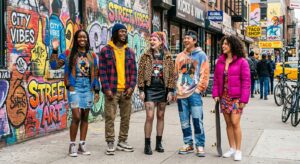
The rise of pop-up shops and exclusive collections, such as Puma’s For the World Stage line designed by Salehe Bembury, demonstrates how brands are harnessing storytelling through sports-inspired fashion, connecting to the cultural and geographical identities of various soccer federations. These efforts highlight the growing significance of authentic, fashion-forward sportswear that resonates with younger audiences, who increasingly view jerseys and sports apparel as integral parts of streetwear and everyday fashion rather than mere athletic merchandise.
Marketing Strategies During the Summer of Sport
The summer of sport has become a pivotal period for brands to capitalize on the growing enthusiasm surrounding major events such as March Madness, the New York City Marathon, the Summer Olympics, and the Women’s Football World Cup. Sportswear companies and luxury fashion labels are increasingly leveraging these occasions as critical battlegrounds for brand visibility and consumer engagement.
One key strategy involves the release of high-profile, limited-edition collections that resonate with the cultural and stylistic elements of specific sports and their fan bases. For example, collaborations such as Jacquemus with Nike and the French Football Federation have produced refined capsule collections that blend minimalist sportswear with subtle cultural nods while supporting community initiatives like Sport Dans la Ville. Similarly, tailored products focusing on women-specific cuts and designs have been introduced to tap into the expanding market opened up by events like the 2023 Women’s Football World Cup.
Marketing efforts also extend to identity signaling within fan communities, where authenticity and exclusivity play major roles. Fans who wear rare or high-quality merchandise, including vintage or hand-crafted items, gain social capital and status, creating hierarchies within fandoms that brands can strategically engage with through limited releases and special editions. This dynamic fuels demand and encourages deeper emotional investment from consumers.
The rise of social media platforms has transformed how brands connect with fans. By offering behind-the-scenes access, live Q&A sessions, and interactive content, companies foster stronger emotional bonds and cultivate brand loyalty. Social media also allows sports brands to highlight their corporate social responsibility efforts, thereby humanizing their image and reinforcing their values. Additionally, the integration of open web advertising and cross-industry partnerships—such as those between sports brands and the food and beverage sector to promote game-day menus and home delivery services—enhances the overall fan experience and marketing reach.
Furthermore, the influence of content creators and social media trends, particularly on platforms like TikTok, has a significant impact on game day fashion choices. Fans and students alike are inspired to experiment with their style, contributing to the broader cultural movement that blurs the lines between sports, fashion, and personal expression.
Cultural Significance and Community Identity
Sport-inspired fashion serves as a powerful medium for expressing cultural identity and fostering a sense of community among fans. Within fandoms, clothing choices often navigate notions of authenticity and status, where hand-crafted costumes or rare vintage merchandise hold greater social capital than mass-produced items. This hierarchy reflects dedication, expertise, and insider knowledge, distinguishing fans in their communities and reinforcing bonds through shared aesthetics. At events such as conventions, concerts, and sporting matches, the visibility of similar fandom apparel cultivates social cohesion and a collective experience that can be especially meaningful for marginalized or isolated individuals seeking acceptance and friendship.
Moreover, sports fashion extends beyond niche fan bases, increasingly intersecting with mainstream culture and influencing global trends, amplified by the rise of social media and digital fandoms. Fans showcase their styles online, expanding the reach and impact of game-day fashion far beyond physical venues. This dynamic is evident in initiatives like Rosewood’s collaboration with British artist Christian Jeffery to create limited-edition jerseys inspired by soccer supporters, merging cultural celebration with exclusive apparel that reinforces community pride.
Cultural heritage also plays a crucial role in sports fashion’s symbolism. For example, Nike’s 1994 Nigerian kit integrated traditional art patterns into modern sportswear, creating a wearable emblem of national pride that resonated globally. While some countries, such as India, have yet to produce a universally iconic Olympic outfit, their rich textile traditions continue to influence the evolution of ceremonial dress designs, signaling the ongoing dialogue between culture and sports fashion.
The influence of athletes, particularly women, further shapes how sports moments inspire broader lifestyle and fashion trends. Fans increasingly explore athletes’ full aesthetics—including game-day energy, off-duty style, and beauty routines—highlighting the multifaceted nature of sports figures as cultural icons. This phenomenon reinforces sports fashion not only as a statement of fandom but also as a mode of self-expression and identity construction within and beyond sporting communities.
In sum, the cultural significance of game-day fashion lies in its ability to embody shared values, histories, and social connections. Through clothing, fans and athletes alike negotiate identity, celebrate heritage, and foster unity, making sports fashion a vital component of contemporary community life.
Social Media’s Influence on Game Day Fashion
Social media has become a pivotal force in shaping game day fashion, significantly influencing how fans express their allegiance and creativity. Platforms like TikTok, Instagram, and Pinterest have created vibrant digital spaces where content creators showcase unique spins on fandom apparel, inspiring audiences—especially students—to experiment with their style and self-expression on game days. The immediacy and visual nature of these platforms allow trends to spread rapidly, extending the reach of fandom fashion far beyond physical sporting events.
Content creators and athletes alike use social media to highlight standout fashion moments, from game-day outfits to off-duty style and beauty routines, thus fueling a continuous cycle
Economic Impact
The intersection of sports and fashion has significantly reshaped the economic landscape of game day apparel, driven by a surge in cultural and commercial factors that align luxury brands with sports audiences. Globally, sports sponsorship is projected to grow at a compound annual growth rate of 8.68% between 2023 and 2030, highlighting the expanding financial opportunities in this sector. Major sportswear brands like Nike and Adidas have capitalized on high-profile collaborations, such as Kith’s Adidas collection with Lionel Messi, which alone generated a media impact value of $5.9 million. This heightened visibility extends beyond traditional performance gear, fostering growth in athleisure and lifestyle collections that appeal to broader consumer bases.
Sporting goods retailers, including Nike, Adidas, Puma, Dick’s Sporting Goods, and Fanatics, are positioned to benefit directly from these trends, particularly due to the younger demographic profile of major sporting events like the World Cup. This audience’s affinity for social commerce, limited-edition product drops, and influencer-driven marketing further accelerates sales and brand engagement. Additionally, fashion brands across the spectrum—from Brazilian label Farm Rio to H&M’s collaboration with Italian sportswear company Lotto—are incorporating football-inspired aesthetics into streetwear, recognizing jerseys and sports apparel as fashion staples rather than merely merchandise.
The economic potential of licensed sports products is amplified by a growing global sports enthusiast population and the expansion of online retail platforms, which have made fandom more accessible worldwide. Licensed apparel and accessories featuring team logos attract a wide range of consumers, supporting a trend in sports fashion that merges mainstream appeal with fan identity. Luxury brands have also deepened their involvement, leveraging athlete endorsements and sporting events to enhance brand prestige. For instance, Dior’s partnership with tennis star Emma Raducanu and LVMH’s role as a premium partner for the 2023 Summer Olympics—including designing the event’s medals—demonstrate the fusion of luxury and sport for promotional and economic gains.
Sponsorship deals further illustrate this economic evolution, with companies like Nike supporting national teams such as Team USA while using events to relaunch product lines like Nike ACG, blending performance with fashion-forward design. The broader influence of pop culture on fashion, including sports fandom, continues to fuel this dynamic, reflecting societal trends and consumer behavior shifts that elevate the economic impact of game day fashion well beyond the stadium. Overall, the convergence of sports and fashion is generating substantial revenue streams, expanding market reach, and redefining how consumers engage with both industries.
Criticisms and Controversies
Despite the widespread enthusiasm for the fusion of sports and fashion during the summer of sport, several criticisms and controversies have emerged. One significant concern revolves around the commercialization and commodification of sports apparel. Critics argue that collaborations between luxury brands and sportswear companies, while lucrative, risk overshadowing the authentic spirit of athletic competition by prioritizing fashion trends and profitability over athletes’ performance and cultural significance.
Another point of contention is the environmental impact associated with the production of high-profile sportswear collections. While some partnerships emphasize sustainability—such as The North Face’s use of recycled materials in Team Korea’s uniforms—the broader industry continues to face scrutiny over resource consumption and waste generated by fast-changing fashion cycles tied to major sporting events.
Furthermore, the integration of social media as a driver of sports fashion has elicited mixed responses. While platforms like Instagram and TikTok have enabled fans to engage and express their style creatively, there is concern that this digital amplification can lead to superficiality, with trends favoring flashy aesthetics over meaningful representation of cultural or athletic heritage. This has prompted discussions about the authenticity and depth of the fashion narratives promoted during these events.
Lastly, some observers critique the geographic and cultural selectivity in fashion collaborations. For instance, certain collections highlight specific national stories or aesthetics—such as Puma’s tribute to Morocco, Portugal, and Egypt—yet this focus can inadvertently exclude other regions or perpetuate narrow representations of diverse sporting communities. This selective spotlight raises questions about inclusivity and the equitable representation of global sports cultures within the fashion industry.
Future Trends and Innovations
The intersection of sport and fashion is poised for dynamic growth, driven by evolving consumer expectations and groundbreaking collaborations. Sports sponsorship globally is projected to increase at a compound annual growth rate of 8.68% between 2023 and 2030, signaling a sustained expansion in partnerships between fashion brands and athletic events. This growth is underpinned by labels adopting more targeted partnering strategies that resonate deeply with their audiences, reflecting cultural as well as commercial priorities.
One of the most notable innovations is the emphasis on inclusivity and functionality within sportswear. For example, Adidas’ longstanding partnership with Team Deutschland has evolved to prioritize adaptive design elements—such as magnetic zippers and seated-fit tailoring—ensuring that Olympic and Paralympic athletes receive unified, high-performance kits with functional parity. The brand’s collaboration with Olympic gold medalist Tom Daley, who designed exclusive knitwear for the 2026 Winter Games flagbearers, exemplifies the fusion of athletic heritage with contemporary fashion innovation.
Limited edition collections are also redefining the sporty aesthetic by blending cultural nostalgia with modern fabric technologies. A recent collaboration inspired by the 1970s LA roller boogie scene featured ready-to-wear styles crafted from Hunza G’s Original Crinkle™ fabric, a material designed to comfortably conform to diverse body types, making it ideal for all-day wear. This focus on versatile, body-positive materials signals a broader trend towards inclusivity and wearability in sport-inspired fashion.
The influence of iconic sports moments on streetwear continues to shape future trends. Bold prints and sporty silhouettes popularized by kits such as the 2018 World Cup Nike design have become entrenched in urban fashion, with celebrities and consumers alike embracing these looks beyond the field. This demonstrates how sportswear is increasingly functioning as a cultural symbol rather than purely athletic apparel.
Moreover, the sporty aesthetic is expected to remain central to everyday fashion without necessitating athletic participation. The trend favors hybrid styling—such as pairing sleek trainers with casual wear or layering track jackets over swimwear—making sport-inspired clothing a flexible blueprint for daily dressing. This blurring of boundaries between performance gear and street fashion will likely encourage continued experimentation and innovation in design.
Finally, identity signaling through sports fashion is anticipated to deepen within fan communities. Clothing that reflects authenticity, rarity, or crafted quality often carries greater social capital, creating nuanced hierarchies within fandoms. As fandom culture grows, fashion will increasingly serve as a medium for expressing dedication, expertise, and insider status, driving brands to produce more exclusive and story-rich apparel that resonates on a personal and cultural level.
The content is provided by Jordan Fields, ZenModeLife