Summary
Bold Patterns and Vibrant Colors: Mastering the Art of Clash in Street Style is a dynamic fashion phenomenon characterized by the fearless combination of striking prints, vivid hues, and eclectic textures that define contemporary streetwear aesthetics. Rooted in diverse cultural and historical movements—from Japan’s Edo period and Tokyo’s Harajuku district to Western countercultures like punk, hippie, and hip hop—this style embraces maximalism and individuality as forms of self-expression and social commentary. The intentional clash of patterns and colors challenges conventional fashion norms, creating visually arresting ensembles that celebrate cultural heritage and personal identity.
Globally, regional street styles interpret bold patterns and vibrant colors through unique cultural lenses. Tokyo’s eclectic layering and DIY ethos, Korea’s fusion of traditional motifs with modern silhouettes, and African wax prints’ symbolic narratives illustrate how streetwear acts as a vibrant cultural dialogue. Meanwhile, Western urban subcultures continue to influence fashion with oversized fits, graphic elements, and statement accessories that convey rebellion and pride. Digital media platforms like TikTok and Instagram have accelerated the dissemination of these aesthetics, democratizing trend creation and enabling rapid global adoption of micro-trends centered on bold, clashing visuals.
The aesthetic mastery of these street style looks relies on sophisticated design principles such as color theory, pattern mixing, texture variation, and strategic layering. Effective use of complementary and analogous color schemes, variation in print scale, and incorporation of mixed textures create cohesion amid visual complexity. This approach allows wearers to craft personalized, fashion-forward statements that resonate with contemporary values of authenticity and creative freedom. The integration of advanced garment construction techniques and sustainable materials further supports innovation within this evolving style.
However, this bold fashion approach is not without controversy. Critics highlight the potential for visual overload and debate the cultural implications of blending gendered clothing styles and the commercialization of once-subversive street aesthetics. Despite such critiques, the artful clash of bold patterns and vibrant colors remains a powerful form of expression—reflecting a sophisticated, evolving dialogue between fashion, culture, and identity in the global streetwear landscape.
Historical Background
The roots of bold patterns and vibrant colors in street style can be traced back to various cultural and historical movements that emphasized self-expression and individuality. In Japan, for example, the Edo period (1603–1868) laid the foundation for intricate designs and vivid color use, which continue to influence modern Japanese fashion and streetwear today. This heritage has evolved through Tokyo’s Harajuku district, a globally recognized hub where maximalism and eclectic layering celebrate youth culture and fearless experimentation with bold patterns.
Meanwhile, in Western fashion history, the 1960s and 1970s countercultural movements, such as the hippie and punk scenes, played a pivotal role in popularizing striking and unconventional aesthetics. Hippies introduced colorful clothes, tie-dye patterns, and paisley prints as symbols of anti-war and communal ideals, while punk brought rebellious elements like leather jackets and studded accessories, both contributing to the rise of bold streetwear. Hip hop culture, originating in the Bronx in the 1970s, further propelled oversized silhouettes, statement jewelry, and vivid colors into mainstream street fashion.
The emergence of street fashion in the 1950s and 1980s, particularly in London and Tokyo, respectively, is also significant. These periods marked youth subcultures’ resistance to mainstream norms, embracing clashing fabrics, bright colors, and unconventional combinations as expressions of identity and social views. The influence of urbanization, media, and social platforms such as Instagram and TikTok have since amplified the appeal and evolution of bold and provocative street style worldwide.
Collectively, these historical currents have shaped a street style landscape where bold patterns and vibrant colors are not only aesthetic choices but powerful symbols of individuality, cultural heritage, and social commentary.
Regional Styles and Cultural Meanings
Street style around the world reflects a deep interplay between regional cultures and fashion, where bold patterns and vibrant colors become more than mere aesthetics—they embody cultural identity and social narratives. In Tokyo, for example, street fashion is renowned for its eclectic fusion of tradition and modernity, especially visible in districts like Harajuku. Here, youth-led styles mix kawaii culture with punk and high fashion, embracing maximalism through layered outfits, bold prints, and experimental silhouettes that celebrate individuality and self-expression. The Harajuku scene also thrives on customization, with handmade accessories and one-of-a-kind garments that highlight a DIY ethos and cultural creativity.
Similarly, Japanese streetwear blends futuristic designs with historical motifs, influencing global youth culture and continually evolving through new micro-trends and subcultures. Gen Z and digital natives leverage social media to remix and propagate these styles worldwide, positioning Tokyo as a dynamic fashion hub that bridges local authenticity with global trends. This unique synthesis captures both the heritage and innovation that characterize contemporary Japanese fashion.
In Korea, traditional silk brocades have been reimagined into modern power suits and casual streetwear, merging ancient patterns with fresh silhouettes and bold color combinations. This harmonious blend of past and present resonates globally, showcasing how cultural influences can simultaneously preserve heritage and inspire innovation in fashion.
Beyond East Asia, street style often serves as a canvas for cultural storytelling and social commentary. African wax prints, for example, have gained international recognition for their vibrant colors and symbolic patterns, which communicate community values and histories while transforming mainstream fashion narratives. Meanwhile, in Western urban centers, subcultures like hip-hop and punk have introduced distinct visual languages—oversized fits, bold colors, studded accessories, and graphic elements—that express rebellion, identity, and cultural pride rooted in their origins.
The rise of street style’s popularity is further fueled by urbanization, media, and social platforms, which amplify alternative lifestyles and aesthetics seeking authenticity and boldness. This global exchange creates a fashion ecosystem where regional styles inform and inspire one another, making bold patterns and vibrant colors a universal language of self-expression and cultural meaning.
Through this vibrant interplay of local traditions and global influences, street style continues to evolve as a living reflection of cultural identity, social change, and the enduring human desire to stand out and belong simultaneously.
Design Principles and Aesthetic Techniques
Bold patterns and vibrant colors in street style rely on a thoughtful balance of design principles and aesthetic techniques to create visually engaging and cohesive looks. Central to this approach is the effective use of color theory, texture, and pattern mixing, all of which contribute to the dynamic energy and individuality characteristic of streetwear fashion.
Color Coordination and Contrast
Color plays a pivotal role in constructing street style outfits that stand out while maintaining harmony. Utilizing complementary colors—those positioned opposite each other on the color wheel such as red and green or blue and orange—creates striking contrasts that draw attention and energize the look. Analogous colors, found adjacent to each other on the wheel, provide a more harmonious and cohesive palette, enhancing visual comfort and unity. Monochromatic schemes, involving variations of a single color, add sophistication and dimensionality to an outfit by focusing on tonal differences rather than contrasting hues.
Neutrals such as black, white, gray, and denim are essential anchors in bold color compositions. These versatile shades act as balancing bases, toning down intense colors or complex patterns to avoid visual chaos. By pairing bright or bold pieces with neutral elements, an outfit maintains focus and coherence while allowing standout components to shine. Color blocking—pairing solid blocks of bold colors such as red with pink or green with blue—further exemplifies a simple yet powerful technique to create impactful visual statements without relying on prints.
Pattern Mixing and Scale
Pattern mixing is a hallmark of street style’s maximalist ethos but requires an understanding of scale, color, and contrast to avoid clashing. Successful pattern combinations often vary in scale, such as pairing a large geometric print with a smaller floral pattern, introducing visual hierarchy and preventing designs from competing for attention. Selecting patterns that share common colors or introducing bridging accessories in overlapping hues helps unify disparate prints and maintain aesthetic cohesion.
Limiting the number of patterns in one outfit and incorporating neutral tones can also prevent overwhelming the overall look. When mixing prints, the careful interplay of these elements results in outfits that appear intentional and fashion-forward rather than random or chaotic.
Texture and Fabric Manipulation
Texture adds another layer of complexity and interest to streetwear. Layering different textures—such as matte suede, shearling, and soft leather—creates a subtle dialogue within the outfit, guiding the viewer’s eye gently across the ensemble without focusing on a single point. Textured fabrics can soften or accentuate style lines, influencing the outfit’s energy and visual flow. Movement in fabric, seen in materials like chiffon, silk charmeuse, or liquid knits, contributes not only texture but also dynamic motion, enhancing the overall aesthetic.
The manipulation of fabrics through distressing, bleaching, acid washing, and the use of unconventional materials pushes the boundaries of traditional streetwear, adding an edge and uniqueness to designs. Mixed-media fabrics that combine different textures further expand creative possibilities, enabling bold expression and depth in outfits.
Layering and Styling Techniques
Layering in street style is a strategic process that balances weight, bulk, and visual impact. By curating layers that differ in texture, color, and pattern, wearers create dimensional looks that maintain balance and avoid overwhelming the silhouette. The most visually striking layer often serves as the focal point, allowing for bold expression while supporting the overall cohesion of the ensemble.
Incorporating statement accessories such as bold jewelry, hats, and sunglasses adds personality and completes the street style aesthetic. Mixing high-end designer pieces with vintage or low-end items further enhances individuality and subverts traditional fashion conventions, encouraging a personalized and eclectic style.
Together, these design principles and aesthetic techniques enable the mastery of bold patterns and vibrant colors in street style, allowing for confident self-expression and dynamic visual storytelling through fashion.
Cultural Symbolism and Psychological Associations of Color
Colors have long held deep cultural symbolism and psychological significance, influencing how individuals express themselves through fashion. Historically, vibrant and bold colors were often associated with wealth and prosperity, as seen during the Renaissance period when such hues signified social status and affluence. In contemporary times, the psychological impact of color extends beyond aesthetics, playing a crucial role in marketing, design, and personal expression within fashion.
Each color carries specific emotional and symbolic meanings that affect both the wearer and the observer. For example, red is commonly linked to passion and energy, evoking feelings of courage and determination. In contrast, blue is associated with calmness and reliability, fostering a sense of peace and loyalty. These associations demonstrate how color choices can directly influence mood and interpersonal perceptions throughout the day.
In the realm of street style, the bold use of color acts as a powerful tool for self-expression and communication. Wearing vibrant colors not only enhances the visual appeal of an outfit but also conveys confidence and individuality, empowering the wearer with a sense of liberation. This interplay of cultural symbolism and psychological effect underscores why bold colors remain a central element in the evolving narratives of street fashion.
Influence of Technology and Digital Media
Technology and digital media have profoundly transformed the landscape of street style fashion, enabling rapid trend creation and democratizing influence across the globe. Platforms such as TikTok, Instagram, Pinterest, and YouTube have shifted fashion from a traditionally top-down industry—once dominated by elite designers and exclusive Fashion Weeks—to a dynamic, bottom-up phenomenon where everyday users can spark global trends through viral content and social engagement. TikTok, in particular, has revolutionized trend creation with its fast-paced, algorithm-driven content cycle that fosters the rise of micro-trends—short-lived, viral fashion movements such as the “Coconut Girl” aesthetic and “Dark Academia” style.
This digital ecosystem has given rise to a new generation of tastemakers: influencers, content creators, and micro-influencers whose curated feeds, hashtag challenges, and style posts shape what is considered fashionable in real-time. Unlike traditional celebrities, these influencers often produce more relatable and accessible content, allowing followers to connect deeply with the styles they promote. The immediacy and virality of social media trends mean that bold patterns, vibrant colors, and eclectic streetwear designs can rapidly gain traction and inspire global adoption, making fashion a constantly evolving, crowd-driven art form.
Moreover, technology itself has become integral to fashion’s aesthetic and functionality. Techwear and cyber-inspired streetwear blend futuristic graphics, reflective materials, and neon accents to reflect a society increasingly intertwined with digital innovation. This synthesis of technology and style speaks to a broader cultural moment where adaptability and digital connectivity influence both design and expression.
Garment Construction and Technological Innovations
Streetwear garment construction in 2026 is characterized by the integration of advanced technical fabrics and innovative production techniques that emphasize durability, comfort, sustainability, and precise fit. The top fabrics driving this evolution include nylon blends, ripstop textiles, softshell materials, stretch-woven fabrics, advanced polyester, and selectively used bio-based blends. These materials not only provide functional benefits such as enhanced wear resistance and flexibility but also support modern manufacturing models like small-batch production and on-demand manufacturing, allowing for greater responsiveness to consumer trends and reduced waste.
Technological advancements have also transformed the way prints and graphics are applied to streetwear garments. Digital tools such as direct-to-garment (DTG) printing enable the creation of vibrant, detailed designs with photographic quality, particularly on oversized heavyweight tees and premium fleece pieces. For accessories like bucket hats and structured caps, embroidery techniques add texture and dimensionality, enhancing the premium streetwear aesthetic.
Sustainability remains a key focus in garment construction, with an increasing preference for eco-friendly textiles such as organic cotton, bamboo, and recycled polyester. These materials align with the growing environmental awareness in the fashion industry and cater to consumers seeking both style and ethical responsibility.
Design Motivations and Impact on Fashion Collections
Street style’s embrace of bold patterns and vibrant colors is driven by a complex interplay of cultural identity, urban influences, and a desire for self-expression. This design motivation reflects a broader cultural dialogue where fashion becomes a medium to showcase individuality and challenge traditional norms. Bold prints such as animal motifs, geometric shapes, and neon hues create eye-catching designs that demand attention and offer endless possibilities for mixing and matching, thereby allowing wearers to make a personal statement beyond fleeting trends.
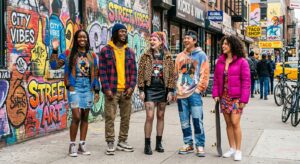
The urban environment and street art play a pivotal role in inspiring these fashion elements. Vibrant murals and stenciled graffiti provide a rich palette of colors and motifs that translate into apparel, reflecting the dynamism and rebellious spirit of city life. The incorporation of these visuals serves not only as aesthetic embellishment but also as a form of cultural storytelling that bridges art and fashion. Designers harness this energy to produce collections that resonate with modern audiences who seek authenticity and boldness in their clothing.
Moreover, the blurring of gender boundaries in streetwear underscores a transformative shift in fashion ideology. By integrating traditionally masculine and feminine elements, designers and wearers alike contribute to a more fluid and inclusive understanding of style, reinforcing the social impact of these bold design choices. Utility wear, with its functional military-inspired pieces, further enhances this narrative by combining practicality with edgy aesthetics, making fashion both expressive and purposeful.
The impact on fashion collections is significant, as designers actively incorporate these street style characteristics to create memorable and visually striking pieces. The use of contrasting colors, balanced with neutral tones, ensures that bold elements stand out without overwhelming the ensemble, maintaining a thoughtful cohesion. This approach not only attracts attention but also reflects a deep appreciation of color theory and design principles.
Ultimately, these motivations and impacts highlight how street style’s bold patterns and vibrant colors serve as a dynamic force in contemporary fashion, pushing boundaries and enabling wearers to assert their identities in a rapidly evolving cultural landscape.
Characteristics of Street Style Looks Featuring Bold Patterns and Colors
Street style that features bold patterns and vibrant colors is characterized by its fearless and unconventional approach to fashion, embracing eye-catching designs and a diverse palette that demands attention. One of the most striking elements is the use of vivid neon hues such as green, pink, and orange, which create visually stimulating outfits
Notable Influencers and Icons
Influencers have become indispensable in shaping modern streetwear, serving as key drivers behind the rise of bold patterns and vibrant colors in contemporary fashion. Figures such as Virgil Abloh and A$AP Rocky have garnered substantial followings by leveraging their platforms to set trends and push creative boundaries, effectively bridging the gap between street culture and high fashion. Unlike traditional fashion icons who emerged primarily from elite runway shows, today’s fashion trailblazers often come from grassroots street environments, expressing individuality through unique outfits that reflect diverse cultural backgrounds. These influences include bold colors and eclectic patterns inspired by African heritage as well as minimalist styles drawn from Scandinavian simplicity.
The democratization of fashion influence owes much to social media platforms like Instagram, TikTok, Pinterest, and YouTube, which have transformed how trends are created and disseminated. This shift has given rise to a new breed of tastemakers—ranging from influencers and content creators to everyday users—whose style choices and online engagement can ignite global trends almost instantaneously. The traditional top-down fashion hierarchy, once dominated by elite designers unveiling collections during prestigious Fashion Weeks, now coexists with a more organic, bottom-up trendsetting model. Anyone with a smartphone and a distinctive sense of style can now become an influencer, with viral videos, hashtag challenges, and curated feeds playing pivotal roles in spreading new fashion movements worldwide. While established celebrities maintain influence, social media personalities often resonate more deeply by producing relatable, accessible content that redefines what is considered fashionable.
Together, these notable influencers and icons shape a dynamic street style landscape where bold pattern mixing and vibrant colors are celebrated as expressions of cultural identity and personal creativity. Their impact not only drives the popularity of clashing patterns but also encourages experimentation and individuality in fashion at large.
Notable Street Style Examples and Regional Variations
Street style is renowned for its fearless experimentation with bold patterns, vibrant colors, and the artful clash of seemingly incompatible elements. A prime example can be seen during Tokyo Fashion Week, where outfits often mix multiple prints, patterns, and colors in ways that some might consider clashing—yet this intentional discordance is central to the aesthetic’s appeal. These ensembles showcase how street style embraces unpredictability and individuality, pushing boundaries by mashing up plaids, stripes, camo, and solid colors to create attention-grabbing looks.
Regionally, street style reflects the cultural and social environments of its origins. In Tokyo, for instance, the fusion of bold prints and eclectic layering exemplifies a youthful defiance of traditional fashion norms, blending luxury designer pieces with vintage or affordable clothing to craft unique identities. This approach is not merely about trends but about expressing individual and subcultural identities, often influenced by local music, sports, and political movements prevalent in youth culture.
Globally, while street fashion continues to absorb subtle trends from each era, it remains rooted in its core concept of personal expression and the mixing of diverse elements. The regional variations highlight how street style serves as a dynamic canvas where cultural nuances intersect with bold visual experimentation, creating a rich tapestry of looks that are both globally influential and locally distinct.
Criticism and Controversies
The bold patterns and vibrant colors characteristic of street style have not been without their critics. One common critique centers on the perceived visual chaos that can arise from clashing prints and loud color combinations. While proponents argue that these clashes create dynamic, eye-catching ensembles, detractors suggest that excessive use of contrasting elements can overwhelm the senses and diminish the cohesiveness of an outfit. Balancing such contrasts requires a nuanced understanding of color theory and pattern coordination to avoid appearing disorganized or garish.
Another point of contention involves the blending of traditionally gendered clothing within street fashion. The transgression of established gender norms through mixing men’s and women’s styles has sparked debates about cultural appropriation and the erasure of identity markers. While many celebrate this fluidity as a progressive move toward inclusivity and self-expression, others express concern over the dilution of distinct cultural or gender-based fashion signifiers.
Additionally, the rise of bold and provocative street style is intertwined with commercialization and media influence. Urbanization, marketing strategies, television, and social media platforms have propelled the popularity of alternative fashion lifestyles, sometimes leading to accusations of authenticity being commodified or exploited for profit. Critics argue that what began as a form of rebellion or nonconformity risks becoming another mainstream trend, losing its original subversive power in the process.
Despite these controversies, the aesthetic of visual “clash”—rooted in historical uses of striking contrasts and textures—remains a potent form of expression. Its capacity to create conversation between elements rather than mere noise reflects a sophisticated artistic approach that continues to evolve within contemporary street style culture.
The content is provided by Avery Redwood, ZenModeLife