Summary
Low-maintenance indoor plants are perfect for those seeking greenery without demanding extensive care. They thrive on infrequent watering and can adapt to various light conditions while enhancing air quality by filtering pollutants and maintaining humidity. Selecting resilient plants like succulents, ferns, and foliage plants provides a practical solution for both beginners and busy individuals who want to incorporate nature into their indoor spaces. However, awareness of potential issues like overwatering and insufficient light is essential to ensure their health and longevity.
Defining Low-Maintenance Indoor Plants
Low-maintenance indoor plants require minimal care, making them ideal for novices and busy lifestyles. These plants adapt to a range of light intensities and can cope with temperature fluctuations, remaining visually appealing with less frequent attention. Characteristics like sturdy foliage and partial dryness of soil before watering enhance their resiliency, offering an effortless way to bring nature indoors without extensive gardening knowledge. Matching specific plants to the natural light and humidity of your environment helps maximize their health.
Botanical Traits and Evolutionary Adaptations
Many indoor plants have evolved specific traits that help them thrive in diverse environments. For instance, adaptations like shade tolerance and water storage capacities enable them to endure low light and infrequent watering, typical in indoor settings. Understanding these features informs how to care for them effectively. Notably, indoor plants often have smaller leaf areas for better light efficiency and specialized roots for drought resistance, which contribute to their hardiness in artificial conditions.
Taxonomy and Examples of Low-Maintenance Indoor Plants
The variety of low-maintenance indoor plants allows for creative options suited to individual preferences and care capabilities. Ferns, succulents, and resilient foliage plants are popular choices known for their ease of care.
Ferns
Ferns like the Bird’s Nest Fern and Boston Fern thrive in humid environments and are forgiving of care missteps. They typically prefer consistently moist soil but can adapt to some fluctuations, making them suitable for beginners.
Succulents
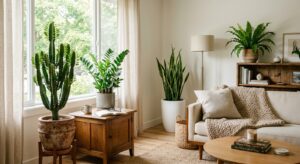
Succulents, including the African milk tree and Echeveria, are known for their drought tolerance and minimal watering requirements. These plants thrive in bright light and well-draining soil, adding aesthetic appeal while being easy to care for.
Foliage Plants
Popular foliage choices like philodendrons, ZZ plants, and snake plants adapt well to less ideal lighting and humidity. Their low light requirements and ability to withstand periods without water make them low-maintenance options for various indoor settings.
Indoor Trees and Other Notable Plants
Indoor trees such as the Norfolk Island pine and other unique selections like spider plants offer visually striking options that are easy to maintain. These plants can enhance indoor aesthetics while providing air-purifying benefits without demanding high levels of care.
Environmental Conditions Favorable for Low-Maintenance Plants
Low-maintenance plants thrive in conditions often found indoors, such as varying light levels and inconsistent humidity. Understanding how to replicate their preferred environments can significantly contribute to their health. For instance, grouping plants to create localized humidity or selecting plants suited to the light availability can minimize the need for constant attention and ensure vibrant growth. Being mindful of temperatures and moisture levels also helps in creating stable conditions for plant care.
Physiological Adaptations to Indoor Conditions
Indoor plants have developed various adaptations to handle low light and humidity levels commonly found in homes. Features like broad leaves for light capture and compact root systems for nutrient uptake allow them to thrive despite challenging conditions. These physiological traits enable plants to maintain effective photosynthesis and conserve water, enhancing their longevity in indoor environments.
Health and Psychological Benefits
The presence of indoor plants promotes emotional well-being and enhances aesthetic appeal. Studies indicate that having plants helps reduce stress levels and improve focus. While some species provide air purification benefits, fostering a connection with nature contributes significantly to a calm indoor atmosphere, making plants a valuable addition to any living space.
Care Tips for Effortless Greenery
Selecting the right plants for your home ensures a less demanding care routine. Most low-maintenance plants require periodic watering, with attention to humidity levels for optimal growth. Emphasizing proper drainage and occasional leaf cleaning can further simplify maintenance. By being mindful of plant-specific requirements and environmental conditions, anyone can enjoy thriving indoor greenery with minimal effort.
Common Challenges and Solutions
While indoor plants provide many benefits, challenges like improper watering and inadequate light can arise. Understanding the specific needs of your plants helps mitigate these issues. Regularly checking moisture levels and adjusting light exposure as necessary can prevent common problems, enhancing your indoor gardening experience. Utilizing resilient plant varieties can also minimize these challenges, allowing for a more enjoyable and successful indoor garden.
The content is provided by Avery Redwood, ZenModeLife