Summary
The Ultimate Guide to Traveling as a Digital Nomad provides insights into living a nomadic lifestyle while working remotely. As digital nomadism rises, fueled by technology and remote work opportunities, it brings both benefits and challenges. Understanding how to navigate this lifestyle is crucial for those looking to combine career and travel effectively.
Understanding Digital Nomadism
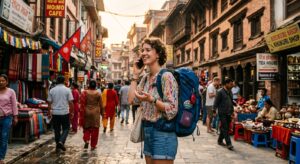
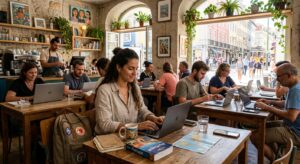
Digital nomadism enables individuals to work remotely while traveling, often through technology that allows geographical flexibility. This lifestyle affords various advantages, including the opportunity to work in diverse locations like coworking spaces and cafés, thus fostering a unique blend of work and cultural experiences. However, it also requires adaptability to efficiently handle varying infrastructures and cultural practices in different places.
Advantages of the Nomadic Lifestyle
The primary advantage of being a digital nomad is the freedom to choose where and how you work, allowing for a balance between professional and personal exploration. This autonomy fosters personal growth through exposure to new cultures and environments, which can enhance adaptability and resilience. Engaging effectively with local cultures cultivates rich experiences that promote understanding while helping to build a unique global identity.
Navigating Challenges
While there are numerous rewards, digital nomadism also presents challenges like maintaining a healthy work-life balance and combating social isolation. Establishing structured work hours and taking breaks can mitigate overworking, which is a common pitfall. Understanding local customs and building social networks can alleviate feelings of loneliness and enhance the richness of the experience.
Skills for Success
Digital nomads need specific skills, such as cultural sensitivity, effective time management, and adaptability. Cultural awareness facilitates smoother integration into new environments, while strong time management supports productivity amid distractions. Aligning work with existing skills is also advisable, as it can simplify the transition into this lifestyle.
Destination Selection
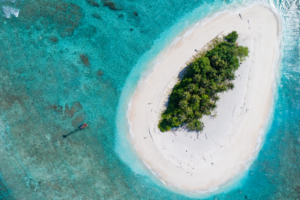
When choosing a location, consider factors like infrastructure, cost of living, and social connectivity. Popular destinations often provide reliable internet and coworking spaces, while others may offer serene natural settings. Adapting to local conditions and engaging with the community significantly enriches the nomadic experience.
Remote Work Opportunities
A plethora of remote work options are available, from software development to online teaching. Aligning jobs with existing skills enhances the likelihood of success and satisfaction. Exploring avenues like e-commerce can also supplement income, providing additional flexibility in maintaining a nomadic lifestyle.
Technology for Remote Work
The right technology is integral to effective remote work, facilitating communication and collaboration. Tools like project management and instant messaging platforms ensure seamless teamwork despite geographical distance. Choosing compatible applications enhances productivity, making it easier to manage projects on the go.
Accommodation Choices
Digital nomads can choose from various accommodation types, including Airbnbs, hostels, and co-living spaces that provide dedicated work areas. Many nomads favor urban renting options that balance comfort and accessibility, while some opt for nature-focused environments for creative inspiration.
Financial Management Strategies
Effective financial management is essential, particularly when navigating international tax regulations. Accessing various income streams, such as freelance work or passive earnings, can provide financial stability. Understanding obligations in different jurisdictions is key to sustaining the nomadic lifestyle.
Health and Wellness Considerations
Maintaining both mental and physical health amidst travel is vital. Adopting practices that promote well-being, such as mindfulness and regular exercise, can counterbalance the stresses of constant movement. Securing appropriate healthcare coverage based on visa requirements is another fundamental aspect of health management.
Networking and Community Building
Establishing connections with local communities and other nomads enriches the travel experience and fosters professional growth. Engaging in local activities and forming friendships can alleviate loneliness, while co-working spaces provide opportunities for collaboration. Contributing positively to host communities creates meaningful relationships and enhances the cultural exchange dynamic.
Navigating Legalities and Ethics
Digital nomads must stay informed about legal and ethical implications, including visa regulations and tax responsibilities. Digital nomad visas often have specific requirements that must be met to avoid complications. Upholding cultural sensitivity further ensures respectful integration into local communities, enhancing mutual benefit.
Daily Life and Routines
Creating a balanced daily routine is crucial for sustaining productivity while traveling. Structuring work hours alongside personal adventures helps establish a sense of stability. Crafting a comfortable workspace and implementing time management techniques further ensures that both personal satisfaction and professional commitments are met.
Looking Ahead: The Future of Digital Nomadism
The digital nomad landscape is evolving, predicted to reshape work and lifestyle choices significantly. With supportive visa programs and advancing technology, more individuals can pursue this lifestyle. The continuing emergence of tools tailored for remote work offers opportunities for growth but also presents challenges in maintaining community and connectivity.
The content is provided by Jordan Fields, ZenModeLife