Summary
Essential Safety Tips for First-Time Solo Travelers aims to equip those venturing on their first solo trips with crucial safety strategies. While solo travel fosters independence and personal growth, it introduces specific safety challenges that necessitate careful planning. This guide distills key strategies for risk minimization through thorough preparation, situational awareness, and informed decision-making, elevating both safety and enjoyment during travels.
Planning and Preparation
Effective planning is foundational for ensuring a smooth solo travel experience. Confirming essential travel details, like boarding times and terminal information, minimizes last-minute stress at the airport. Researching your destination extensively, particularly regarding local customs and safety advisories, lays the groundwork for a secure trip. Resources such as government travel advisories and recent guest reviews can yield insights into safe neighborhoods and local hazards.
Securing comprehensive travel insurance is vital, safeguarding against unexpected events such as medical emergencies and cancellations. It’s advisable to use reputable insurance providers recommended by seasoned travelers. To further reduce risks, avoid rushing into decisions or accepting unsolicited offers and opt for established transportation methods to ensure safety.
Packing Essentials
Packing essential safety items enhances security and peace of mind while traveling solo. A money belt or neck pouch is crucial for securing important documents like passports and cash while keeping them close. Personal safety alarms are beneficial, especially for women, as they provide a loud alert in emergencies. Compact first aid kits, populated with basic medical supplies and personal medications, should also be a travel staple, ensuring readiness for minor health issues.
Additionally, consider bringing portable door locks, anti-theft bags, and other practical items to safeguard your accommodation and personal belongings. Together, these essentials help build a safety net during your journey.
Staying Safe During Travel
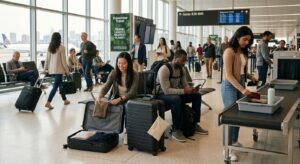
Adopting proactive safety measures while traveling solo is essential. For instance, navigating airports involves ensuring all travel documents are organized and allowing extra time to navigate unpredictability. Understanding airport security regulations and familiarizing yourself with airport layouts can ease the travel experience, reinforcing confidence during transitions.
Utilizing public transportation requires vigilance; prioritize daylight travel and maintain awareness of your belongings. When selecting accommodations, avoid isolated areas and choose places with positive reviews regarding security and safety. Engaging with your environment mindfully and trusting your instincts are keys to identifying safe versus potentially harmful situations.
Communication and Connectivity
Utilizing technology can enhance safety while traveling alone by facilitating reliable communication with trusted contacts. Sharing your location cautiously with select individuals offers reassurance while maintaining privacy. Incorporating a VPN service when using public networks can also safeguard personal information from cyber threats.
Establishing a communication plan is crucial; leaving notes about your whereabouts with accommodations and having local emergency contacts readily accessible can foster peace of mind. Having a safety device that includes communication capabilities strengthens personal security while traveling, ensuring connectivity during emergencies.
Cultural Considerations
Understanding local cultural norms is vital for safety and fostering positive interactions. Researching traditions and social expectations can avert misunderstandings and show respect to the host community. Particularly for women, awareness of gender dynamics in different cultural contexts can mitigate risks and enhance personal safety.
Adapting to local customs, including dressing appropriately and greeting locals in their language, can contribute to a favorable travel experience while promoting personal security. Engaging authentically with local culture also enriches the journey significantly.
Common Risks and Security Challenges
Solo travelers face various risks, necessitating diligent attention to safety. Crime remains a primary concern, particularly in areas with poor healthcare and unstable political environments. Even popular tourist destinations can present challenges due to healthcare accessibility and the potential for scams targeting solo travelers.
Being aware of these common threats, such as petty theft and fraudulent transportation services, can help mitigate risks. Familiarize yourself with safety protocols and avoid high-crime areas or unlicensed transport options, enhancing your safety while navigating unfamiliar surroundings.
Risk Mitigation Strategies
Thorough research and personal safety measures are essential for mitigating risks during solo travel. Knowing the destination’s culture and common scams allows for informed decision-making. Registering travel plans with government programs can also facilitate emergency assistance when needed.
Equipping yourself with personal safety devices and avoiding potential risks life unlicensed transport services can enhance safety. Understanding financial scams that may arise during your travels further protects against exploitation.
Daily Safety Habits and Preventive Measures
Cultivating daily safety habits is paramount for first-time solo travelers. Developing situational awareness ensures you respond appropriately to your surroundings. Remaining adaptable and trusting your instincts can help navigate potentially unsafe situations.
Addressing accommodations, securing important documents, and utilizing hotel safes for valuable items contribute to a robust safety framework. Taking the time to assess situations calmly prevents susceptibility to scams while reinforcing personal agency.
Dealing with Emergencies
Preparation for emergencies is vital for solo travelers, including carrying a mini first aid kit for managing injuries. Safeguarding important documents and accessing reliable emergency contacts can make a significant difference in crisis situations.
Familiarizing yourself with local health services and emergency procedures enhances readiness. Knowing how to navigate local risks, such as traffic safety, adds to the overall ability to handle emergencies efficiently while traveling alone.
Tips for Enjoying the Experience
To make the most of solo travel, approach the experience with an open mind and a well-prepared itinerary. Engaging with local culture and forging social connections through hostels or events enriches the journey. Choosing secure accommodations ensures comfort and safety while allowing for exploration at your own pace.
Striking a balance between caution and openness is essential; maximizing enjoyment while minimizing risks and embracing the independent nature of travel fosters a fulfilling experience. Staying organized and maintaining connections ensures that your journey is both safe and enjoyable.
The content is provided by Jordan Fields, ZenModeLife