Summary
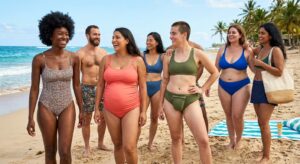
Discover My Ultimate Collection of Size-Inclusive Swimsuits You’ll Love is a curated swimwear collection designed to celebrate and serve a diverse range of body types, gender identities, and style preferences. Emerging from a growing movement toward body positivity and inclusivity, this collection challenges traditional swimwear norms by offering thoughtfully designed pieces that extend well beyond conventional sizing standards, incorporating features tailored for varied shapes, bust sizes, and gender expressions. It is notable for integrating functionality, fashion, and sustainability, setting a new standard in the swimwear industry that embraces empowerment through authentic representation and fit.
The collection stands out by including extensive size ranges—from small to 5XL—and specialized designs such as long torso suits, maternity options, and gender-inclusive styles featuring package pouches for trans and non-binary individuals. It emphasizes quality fit achieved through innovative pattern grading rather than simply scaling up smaller sizes, addressing longstanding issues of poor fit and limited options in plus-size swimwear. Complemented by sustainable materials and ethical production, the collection reflects current consumer demands for both inclusivity and environmental responsibility.
Marketing and accessibility strategies for the collection leverage digital innovations like virtual fitting and personalized recommendations, as well as community engagement through live content and experiential retail events. These approaches foster trust and connection with customers, particularly among younger and diverse audiences, and have helped the collection gain recognition within the broader fashion landscape. The collection’s impact extends beyond apparel to influence industry standards, promoting a culture that values real bodies and diverse identities in swimwear fashion.
Despite its successes, the collection also highlights ongoing challenges in the swimwear market, including balancing cost and complexity of inclusive design, overcoming limited representation, and expanding sustainable practices industry-wide. Nevertheless, it exemplifies a significant shift toward truly size-inclusive, gender-affirming, and eco-conscious swimwear, reflecting and driving evolving consumer values in the 21st century.
Background
The evolution of swimwear has reflected broader social and cultural changes, particularly in terms of inclusivity and body positivity. Historically, fashion, including swimwear, has not only mirrored aesthetic preferences but also contributed to social identity and cultural movements. For instance, the 1960s and 1970s saw experimental styles aligned with youth culture, while the 2000s were shaped by celebrity influence and globalization, introducing diverse cultural elements into mainstream fashion.
In recent years, there has been a significant shift toward size-inclusive swimwear, recognizing that most women do not fit traditional size ranges. Size-inclusive swimwear goes beyond merely offering larger sizes; it integrates a wider range of sizes into all collections without segregating plus-size lines, aiming to serve all body shapes with thoughtfully designed garments. This approach addresses longstanding issues where plus-sized options were often just scaled-up versions of smaller patterns, resulting in ill-fitting suits that failed to celebrate diverse body types.
The growing body positivity movement has played a crucial role in driving this change, encouraging brands to celebrate the natural softness and diversity of the female body rather than promoting unrealistic “body goals”. Despite this progress, the swimwear category has lagged behind other apparel segments in embracing size inclusivity fully, representing an untapped market opportunity for brands committed to inclusivity and diversity.
Technological advancements and innovative design have also contributed to the transformation of swimwear. Features such as UV-detecting zippers that indicate sun exposure levels exemplify how technology enhances both function and comfort in modern pieces. Furthermore, smart fabrics and unique design elements like cut-outs, mesh inserts, and embellishments have turned swimwear into statement fashion items, fueled by social media influencers and celebrity endorsements.
The online retail surge, supported by virtual fitting technologies and personalized recommendations, has further enabled size-inclusive swimwear brands to reach broader audiences worldwide, breaking geographical and cultural barriers. As awareness of body image issues grows globally, there is increased pressure on the fashion industry to promote healthier and more realistic body representations, influencing the continued development of inclusive swimwear.
Overview of the Collection
The collection offers a diverse and inclusive range of swimsuits designed to cater to various body types, gender identities, and personal styles. It includes swimwear for people who don’t conform to traditional fit expectations, such as designs featuring package pouches created specifically with trans women and non-binary individuals in mind. The collection also embraces a wide spectrum of sizes and shapes, including long torso swimwear, petite suits, busty bikini tops, and maternity options, ensuring a comfortable and flattering fit for all customers.
Featuring a variety of styles, the collection incorporates bikini tops and bottoms in multiple cuts like padded triangle tops, high-waist cheeky bottoms, and bandeau bikinis. Additionally, shaping swimsuits and beachwear pieces provide options that blend functionality with fashion preferences. The collection champions body positivity by celebrating natural body softness and promoting empowerment through swimwear that breaks societal norms and creates space for individual expression.
Sustainability and inclusivity are also key elements, with brands within the collection prioritizing eco-friendly materials and ethical production practices, alongside a commitment to offering a trustworthy and relatable shopping experience for consumers. This approach fosters a supportive community and aims to make swimwear shopping an enjoyable and affirming process for all.
Features of the Collection
The collection of size-inclusive swimsuits is thoughtfully designed to cater to a diverse range of body types, sizes, and style preferences. It includes an extensive sizing range from S to 5XL, with bottoms offered in multiple options (1 and 2) per traditional size and tops aligned to bra sizes for optimal support and fit, accommodating bust sizes up to 40DD and beyond. This focus on size inclusivity ensures that everyone can find swimwear that makes them feel comfortable and confident.
Styles within the collection range from trendy cutout monokinis and bandeau tops to full-coverage one-pieces and tankinis, providing options suitable for different occasions and preferences. Many pieces incorporate thoughtful design elements such as underwire, adjustable straps, ruching, and shaping details to enhance fit and silhouette. The collection also emphasizes versatility by offering mix-and-match bikini tops and bottoms, enabling personalized styling.
In addition to body inclusivity, the collection embraces gender inclusivity and modesty. It features designs created with trans women and non-binary people in mind, including package pouches and gender-inclusive unisuits inspired by collaborations with artists and brands focused on diverse representation. Modest performance swimwear, such as those incorporating hijabs, is also part of the evolving swimwear landscape embraced by this collection.
Sustainability is another key feature, with many styles crafted from eco-friendly recycled materials, reflecting an increasing commitment to reducing environmental impact through responsible production and sustainable fabrics. This ethical approach offers consumers swimwear choices that align with their values while maintaining high-quality and on-trend designs.
To assist customers in finding the perfect fit, the collection provides sizing quizzes and expert guidance tailored to various body shapes and coverage preferences, making the shopping experience more accessible and enjoyable. The range also includes specialty swimwear such as maternity options, long torso suits, and designs specifically for busty figures, ensuring comprehensive coverage of needs across different demographics.
Design Challenges and Solutions
The swimwear industry faces significant design challenges in creating truly inclusive, size-diverse collections that fit and flatter a broad range of body types. A key obstacle is that simply scaling up smaller patterns to larger sizes does not result in well-fitting garments. Instead, genuine inclusivity demands redesigning the pattern at each size point, adjusting critical proportions such as torso length, bust placement, and hip curve to accommodate different body shapes accurately. This approach requires a fundamental rethink of garment construction, including support, coverage, and shaping elements, making it more complex and costly to produce but essential for achieving authentic body positivity.
Adaptive swimwear features are also increasingly incorporated to enhance functionality and accessibility. Innovations like magnetic closures, one-hand adjustable straps, seated-wear construction, and sensory-friendly flat seams address the needs of diverse users, improving comfort and ease of use for individuals with varying physical requirements. Moreover, thoughtful design details—such as underwire, adjustable straps, ruching, and strategic construction—offer additional support and flattering fits, while offering styles in bra sizing enables more tailored options.
Despite progress, many brands still fall short in offering genuinely inclusive sizing and designs tailored to different body shapes, leaving a noticeable gap in the market. The challenge lies not only in design but also in balancing cost and scalability, as producing inclusive swimwear involves higher investment in pattern development and material sourcing. Nonetheless, the focus on inclusivity, combined with rising consumer demand for functionality and sustainability, is driving innovation in swimwear design toward more personalized, comfortable, and responsible options.
Marketing and Promotion Strategies
Marketing and promotion strategies for size-inclusive swimwear brands focus heavily on authentic engagement, inclusive representation, and leveraging digital tools to build trust and loyalty among diverse consumer groups. One key advantage is exact-match branding combined with memorable names, which creates powerful SEO signals. This helps brands rank faster for specific search queries and amplifies influencer mentions, thereby reducing reliance on volatile social media algorithms.
Email marketing remains one of the highest ROI channels for direct-to-consumer (DTC) swimwear brands, often accounting for 40–60% of revenue in mature markets. Developing retention flows and targeted email campaigns tailored to size-inclusive audiences is crucial for sustaining growth.
Inclusive marketing emphasizes genuine representation by showcasing swimwear on multiple body types rather than a single model per colorway. Brands that disclose the sizes worn by models and offer generous return policies signal confidence in their fit and commitment to customer satisfaction. The inclusion of live video content featuring diverse models significantly increases purchase intent, especially among Gen Z and Millennials, who value the ability to interact with presenters and trust the brand.
Furthermore, embracing diversity extends beyond size to include designs catering to the LGBTQ+ community and a variety of body shapes, fostering empowerment and a sense of belonging. Transparency about ongoing challenges and improvements in fit and design builds authenticity, as exemplified by brands that openly acknowledge imperfections while striving for true size inclusivity through adaptable and comfortable products.
The rise of digital commerce enhances accessibility for size-inclusive swimwear, utilizing virtual fitting technologies, personalized recommendations, and alternative distribution channels like pop-up stores and subscription services. This broadens customer engagement and opens global markets, particularly benefiting sustainable and inclusive brands.
Sustainability and ethical production practices increasingly feature in marketing narratives, appealing to environmentally conscious consumers. Brands highlight the use of recycled materials and eco-friendly manufacturing processes, aligning inclusivity with broader values of environmental responsibility.
Impact on Body Positivity and Fashion
The movement toward size-inclusive swimwear has had a significant impact on promoting body positivity and reshaping fashion norms. Body positivity in swimwear emphasizes celebrating all body types through inclusive representation, fit-focused design, and messaging that rejects narrow beauty standards. This approach counters the historically prevalent thin-ideal imagery that has been linked to increased body dissatisfaction and negative psychological outcomes among women.
Research indicates that exposure to thin-ideal content, particularly transformation or “before and after” narratives, can exacerbate body image preoccupation and shame. Conversely, campaigns that avoid these framings and instead showcase diverse body types with functional, well-fitted designs help reduce constant bodily self-monitoring and foster greater confidence rooted in comfort and fit rather than size. Swimwear brands that prioritize these values, such as those featuring varied coverage and support options, contribute to healthier psychological outcomes for their audience.
The fashion industry’s shift toward inclusivity also embraces diversity beyond size, extending to different gender identities and sexual orientations. Many swimwear lines now specifically cater to the LGBTQ+ community, offering designs that affirm a broad spectrum of body types and personal styles, further enhancing empowerment through representation. This inclusivity helps create a culture where individuals can enjoy swimwear without the burden of societal judgment or narrow beauty expectations.
Additionally, the rise of environmentally conscious practices within size-inclusive swimwear brands contributes to a more holistic positive impact. Utilizing recycled materials and sustainable production methods aligns body positivity with ecological responsibility, promoting a fashion industry that is gentle on both people and the planet.
Reception and Industry Recognition
The size-inclusive swimwear movement has garnered significant positive reception both from consumers and industry experts. Brands embracing inclusivity are recognized for expanding their customer base by representing diverse body types, which resonates strongly with buyers who seek relatable and authentic portrayals of swimwear products. According to Rebecca Saygi, a swimwear and activewear strategist at WGSN, consumers are more likely to purchase when they see someone they can identify with associated with the product, making inclusivity a crucial factor for brand growth and engagement.
Consumer data supports this trend, with 45% of survey respondents indicating they are more likely to purchase swimwear online when they see live videos featuring models of different body types. This effect is even stronger among Gen Z (54%) and Millennials (62%), who also value interactive experiences such as direct engagement with presenters during live product demonstrations. Trust in the brand also plays a vital role, with nearly 70% of respondents highlighting its importance in their swimwear shopping decisions.
Industry recognition extends beyond consumer preference, as notable events like Miami Swim Week have showcased the launch of plus-size collections, such as Cupshe’s debut in 2022. This shift reflects a broader change in the fashion industry, moving away from a “dictatorship of trend” toward embracing individuality and diversity. Despite some challenges, such as the limited long-term impact of voluntary industry codes on body image portrayal in media, the growing emphasis on size inclusivity signals a meaningful transformation within swimwear fashion and marketing practices.
Moreover, strategic branding efforts that incorporate exact-match branding and memorable names have been shown to enhance visibility and SEO performance, amplifying the reach of size-inclusive collections through influencer mentions and reducing dependence on fluctuating social media algorithms. Email marketing remains a highly effective channel, driving a significant portion of revenue for direct-to-consumer swimwear brands embracing inclusivity.
Availability and Accessibility
The availability and accessibility of size-inclusive swimsuits have significantly expanded in recent years, driven by both consumer demand and technological advancements. Online retail plays a crucial role in this growth, leveraging expanded size ranges, cutting-edge virtual fitting technologies, and personalized recommendations to overcome traditional challenges associated with swimwear shopping. These innovations have made it easier for consumers to find swimsuits that fit well and suit their individual needs, enhancing the overall shopping experience.
Beyond mainstream online platforms, alternative distribution channels such as resort retail, pop-up stores, and subscription services are emerging, providing diverse avenues for customer engagement and acquisition. These channels help brands connect with a wider audience, including those seeking sustainable or inclusive designs, and facilitate global market access by breaking geographic barriers.
Regionally, North America accounted for 32.21% of global swimwear revenue in 2025, supported by robust indoor-aquatic infrastructure, increased resort tourism in locations like Florida and the Caribbean, and growing demand for inclusive swimwear that caters to adaptive sports. Initiatives such as municipal grants in the U.S. aimed at expanding pool access in low-income areas further stimulate demand across both mass and premium price tiers.
In addition to physical and digital availability, trust and brand relatability remain critical factors influencing consumer purchasing decisions. Nearly 70% of shoppers emphasize the importance of trusting the brand, while 42% are more likely to buy when they trust or relate to the presenter demonstrating the product. This underscores the necessity for brands to foster genuine connections with their customers and create a shopping experience that reflects inclusivity and authenticity.
To differentiate in a crowded market, brands are increasingly adopting experiential and community-focused events, such as poolside pop-ups, limited-edition releases, and interactive virtual workshops like “design your bikini.” These initiatives enhance accessibility by engaging consumers directly and building supportive communities around size-inclusive swimwear. Furthermore, email marketing remains a high-ROI channel, driving 40–60% of revenue for mature direct-to-consumer swimwear brands, highlighting the importance of retention strategies in maintaining accessibility to loyal customers.
Influence on the Swimwear Industry
The swimwear industry has undergone significant transformations in recent years, driven largely by growing demands for inclusivity and sustainability. Brands are increasingly embracing diverse body types, sizes, and skin tones, fostering a culture of body positivity that encourages individuals to feel confident and comfortable at the beach or poolside. This shift toward inclusivity not only broadens the market appeal but also challenges traditional beauty standards, allowing consumers to find swimwear that truly fits and flatters their unique shapes.
Alongside inclusivity, sustainability has become a critical focus within the industry. Swimwear manufacturers are adopting environmentally responsible practices, such as using recycled materials like nylon and polyester, reducing waste throughout production, and exploring circular fashion models that promote garment reuse and recycling. These efforts respond to the broader fashion world’s environmental concerns, offering customers ethical choices that minimize ecological impact while maintaining quality and style.
Technological advancements also play a pivotal role in shaping the future of swimwear. Innovations in smart fabrics and design techniques are enhancing both the performance and comfort of swimsuits, aligning with consumer expectations for functional and fashionable products.
The global swimwear market is expanding rapidly, with projections estimating its value to reach $21 billion by 2025. North America remains a dominant force, anticipated to hold approximately 34.9% of the market share by 2026. This leadership is attributed to factors such as high consumer spending, a robust fashion and fitness culture, and an advanced retail infrastructure that combines physical stores and sophisticated e-commerce platforms. Marketing strategies, including celebrity endorsements and seasonal promotions, further consolidate the region’s influence in the industry.
Understanding these market dynamics and cultural trends is crucial for swimwear brands aiming to innovate and compete globally. The convergence of inclusivity, sustainability, and technology is not only reshaping product offerings but also redefining consumer expectations and industry standards in the 21st century.
The content is provided by Sierra Knightley, ZenModeLife