
Summary of the Lost & Found Index
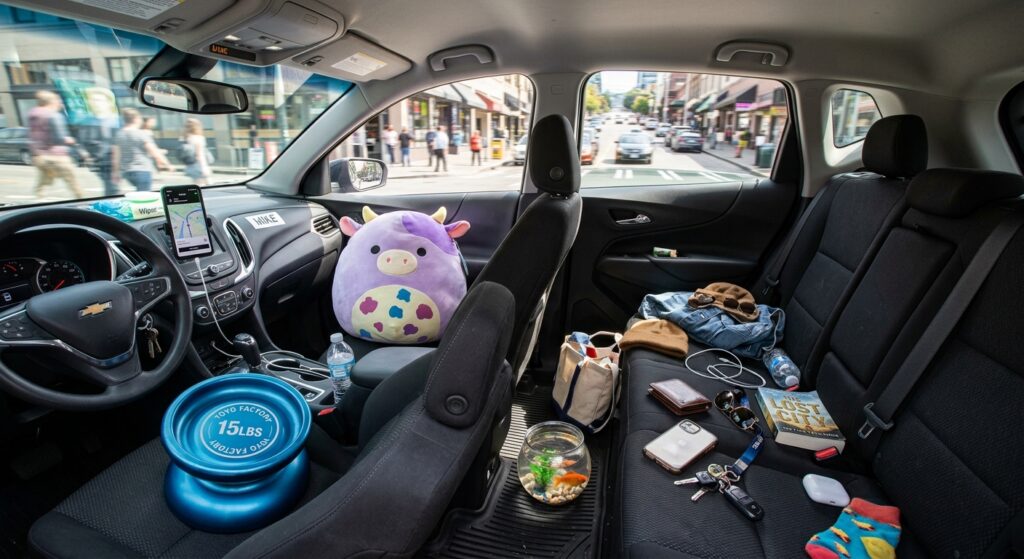
Uber’s annual Lost & Found Index provides insights into the wide range of items left behind by riders, from typical belongings like phones and wallets to whimsical finds such as a live fish and a mannequin. The 2025 edition features unique items like a Squishmallow plush toy and a 15-pound yo-yo, illustrating the eclectic nature of Uber’s user base. This index not only highlights common forgotten items but also emphasizes the importance of human involvement in item recovery, especially as Uber introduces more autonomous vehicles.
Overview of Lost Items
This year’s index showcases an amusing array of quirky objects, including a mini fridge and a textural photo of Jesus, underscoring the diversity of items left in Uber vehicles. Commonly lost items continue to include essentials such as keys and driver’s licenses, but the presence of bizarre objects emphasizes the human aspect of customer service amidst advancements in automation. Noteworthy items, like an “I Heart Hot Dads” bag and a fog machine, reveal cultural trends and humor among riders.
Item Recovery Process
To recover lost items, riders can easily initiate the process using the Uber app. By selecting their trip and contacting the driver, they can facilitate item recovery quickly, though fees may apply based on who returns the item. This structured system operates alongside Uber’s hybrid model to manage lost items from both traditional rides and autonomous vehicles, ensuring efficiency in reuniting riders with their belongings.
Impact of Marketing Strategies
Uber’s marketing campaigns leverage the charm and narrative of the Lost & Found Index, which have proven effective in engaging audiences and boosting brand loyalty. Creative initiatives often go viral, leading to heightened app downloads and a measurable increase in brand trust. By tapping into local cultures and connecting with audiences through influencers, Uber has enhanced its visibility and resonance across markets.
Media Attention and Public Reception
The unique insights provided by the Lost & Found Index have attracted significant media coverage, spotlighting its role as both an entertaining and informative resource. Collaborations with influencers have further broadened reach, demonstrating the effectiveness of culturally attuned marketing efforts that resonate with diverse demographics. These strategies have not only increased engagement but have also been reflected in notable growth metrics for Uber’s services.
Evaluating Campaign Effectiveness
Uber employs a comprehensive approach to measure the effectiveness of its marketing endeavors, utilizing KPIs like customer acquisition cost and conversion rates. This data-driven model enables informed adjustments to campaigns, optimizing the marketing budget for maximum return. By combining quantitative analysis with qualitative insights, Uber continuously refines its strategies to enhance brand perception and sustained customer engagement.
The content is provided by Reagan Chase, ZenModeLife